
Home Generator Articles
You don’t want to search “What size generator do I need?” when a storm is already threatening your electricity. A home standby generator is a permanent power source that turns on automatically during a power outage. Unfortunately, they aren’t one-size-fits-all. The right size generator depends on your house’s square footage, AC tonnage, and which circuits you want backed up. (Most homes in Memphis require a generator in the 14-22kW range.)
The benefits of a generator kick in as soon as it’s installed. We built a guide to finding the right generator for your home, so your lights always stay on.
Essential Circuits vs. Whole House Coverage
Your right generator choice depends on your power needs. Home backup is generally broken into two types of generators: essential-circuit backup and whole-house backup.
Essential-circuit backup covers the essential appliances you’ll need to power during an outage, such as the fridge, sump pump, and a couple of outlets. In this case, you’re not powering every single outlet in the house, just the most important ones during an outage.
Whole-house backup, however, provides enough wattage to power the entire house, including central air conditioning, the water heater, and high-demand appliances. With this system, your home won’t experience much disruption during an outage. Just keep in mind that whole-house generator sizing is significantly larger than essential-circuit sizing.
Running Watts vs. Starting (Surge) Watts: Why It Matters
Before you invest in a generator, first figure out what needs power and how much it needs. An appliance’s wattage consists of starting and running watts. Starting watts are the total watts required to start the appliance. Running watts refer to the power (total watts) needed to keep the appliance running.
Running and starting watts might sound intuitive, but an appliance’s exact power requirements aren’t. Starting wattage, also referred to as surge wattage, is typically higher than running wattage. If a generator is sized for a running load, it can fail to start a compressor or a well pump, which requires a higher surge rate.
For example, a mid-size air conditioning unit requires about 2,200-2,800 starting watts, but only 900 running watts. To prevent a generator from shutting off, you’ll want one that can handle the combined starting watts of all the appliances you want to power.
What Size Generator Do I Need for My House?
Home generator sizing can be daunting if you’re unsure about your power requirements. Start by determining the square footage of your home. (Note that square footage serves as a starting point for generator sizes, not a comprehensive answer for your load calculation.)
Even if your home is small, other factors can push you into a bigger power tier. For example, are you interested in a gas or electric generator? Will you need to charge a vehicle? Does your house use a well pump? Are there multiple AC zones in the house? You should also decide if you want the generator to provide backup power to the entire home or just certain circuits during an outage.
Another factor to consider is the generator’s capacity. As a safety measure, invest in a generator that comfortably handles your power needs at 80-90% of its capacity.
Generator Sizing Chart by Home Square Footage
| Home Size | Typical Load | Recommended Generac Range |
| Under 1,500 sq ft | Essentials + 1 AC unit | 10 – 14kW |
| 1,500–2,500 sq ft | Whole home, AC units (3-6 ton), some appliances | 16 – 22kW |
| 2,500–3,500 sq ft | Whole home, AC units (up to 7 ton), some appliances | 22 – 24kW |
| 3,500+ sq ft | Whole home, central HVAC with multiple AC zones, high-demand circuit needs | 24 – 26kW |
Note: The power requirements in this guide are general examples; consult a professional for exact sizing.
Generac Generator Sizes Available for Memphis Homes
A one-bedroom bungalow obviously has different generator needs than a six-bedroom mansion. Best Care offers air-cooled Guardian generators that connect to your existing LP or natural gas fuel supply.
If you’re wondering how to size a generator, use this general generator size calculator:
- Add the running watts of all devices you want to power
- Add the starting surge watts for the single largest appliance motor
- Add a 20% safety margin
- Divide by 1,000 to get the required kilowatts
Once you know your required watts, you can choose from our Generac generator sizes:
- 10/9kW – 14/14kW Generators
- Best for: Smaller homes powering just the essentials
- 18/17kW – 22/19.5kW Generators
- Best for: Mid-size homes powering essentials and some extra appliances, extended outages
- 24/21kW- 26/22.5kW Generators
- Best for: Larger homes powering every circuit, large job sites
High-Demand Appliances That Change Your Sizing
Even if your home is smaller in square footage, you might have appliances with high electrical demand. A microwave might not make a difference, but an air conditioner will. Here are some high-demand appliances that may affect your generator needs:
- Central air and air conditioner units
- Well and sump pumps
- Electric water heaters
- Electric ranges/dryers
- Dishwashers
It’s also important to note that generators and utility power can’t run simultaneously. A proper transfer switch makes whole-house power switching automatic.
Get a Professional Load Calculation in Memphis
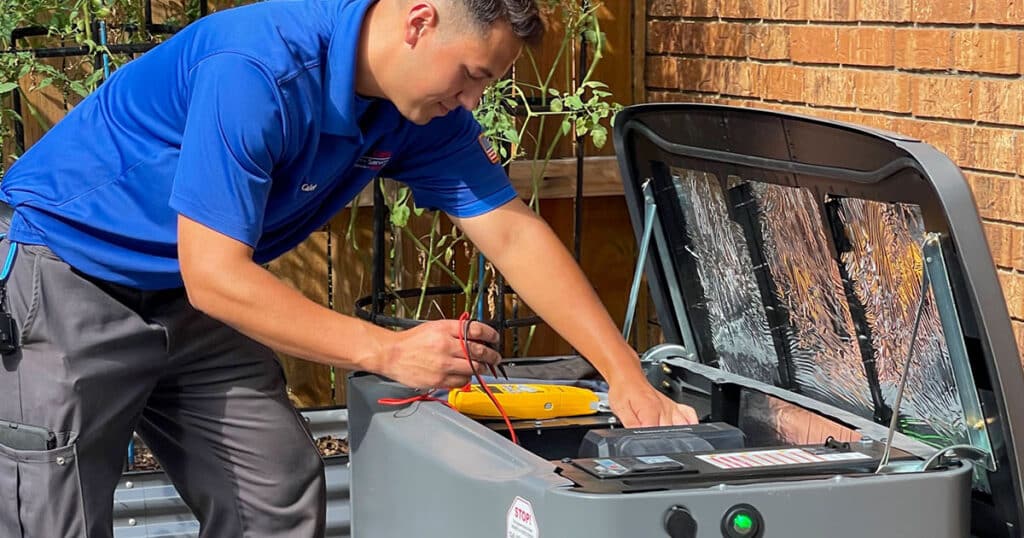
Memphis homeowners can contact Best Care to upgrade to a reliable Generac generator. Our factory-trained team is equipped to handle installation, error codes, updates, and everything in between. Our experienced professionals will provide you with a safe, accurate load calculation to determine your exact generator needs and ensure you’re never left in the dark.
Frequently Asked Questions
Exact generator sizes will depend on your home’s square footage and power requirements. To run whole-house power for a home in Memphis, you’ll need about 14 – 22kW.
You’ll probably need about 7,000 to 12,000 running watts for central air, along with a higher surge rating. However, to find the right size generator, you’ll also need to account for any other appliances you’ll want to power.
Yes, a 22kW generator can power an entire house, though it’s important to get a professional load calculation for exact generator requirements.
Yes, we recommend getting a professional opinion to determine the right size generator for your power requirements.
Share
Recent Posts
Updated September 9, 2026
What Size Generator Do I Need?
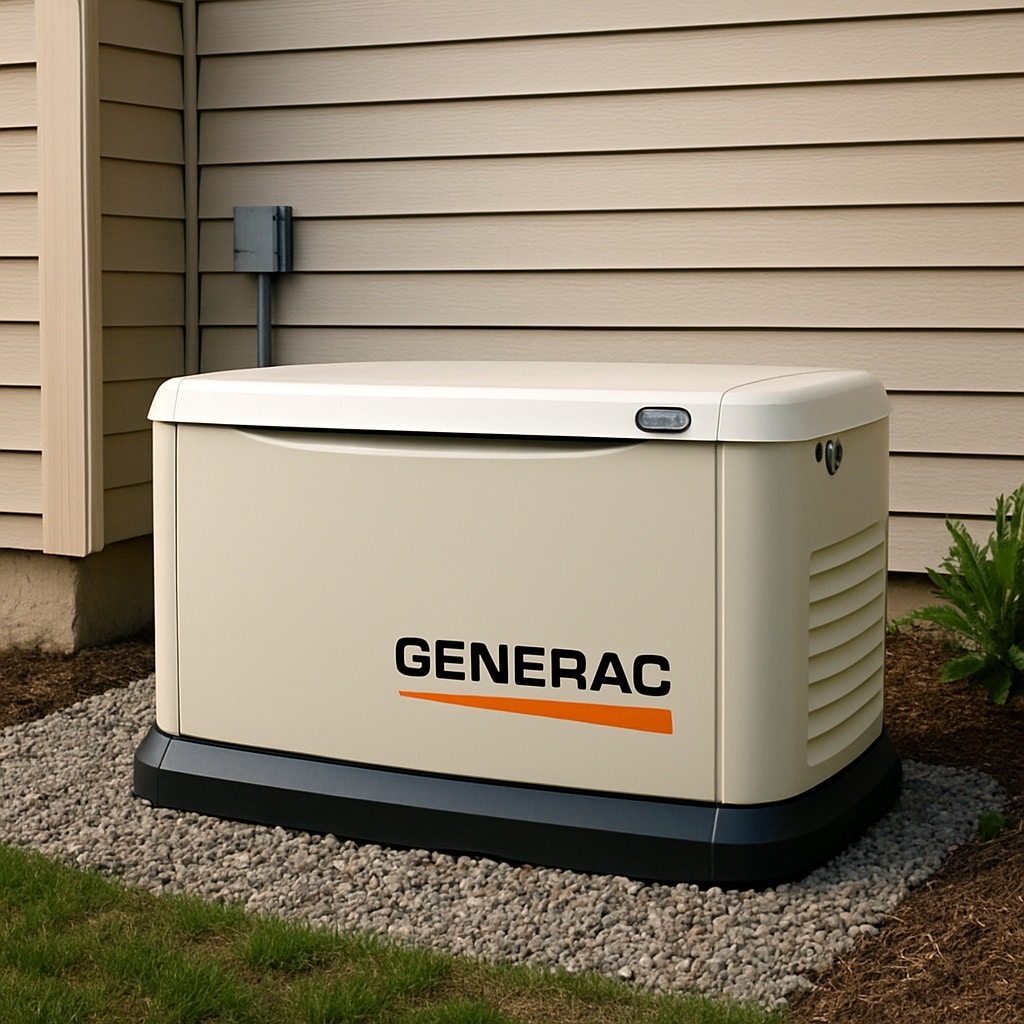
You don’t want to search “What size generator do I need?” when a storm is already threatening your electricity. A home standby generator...
Updated May 28, 2026
Best Care Services Benefit Memphis Child Advocacy Center All Month Long
This April, every Best Care HVAC system, tankless water heater, and generator installation benefits the Memphis Child Advocacy Center (CAC). April is Child...
Updated July 21, 2026
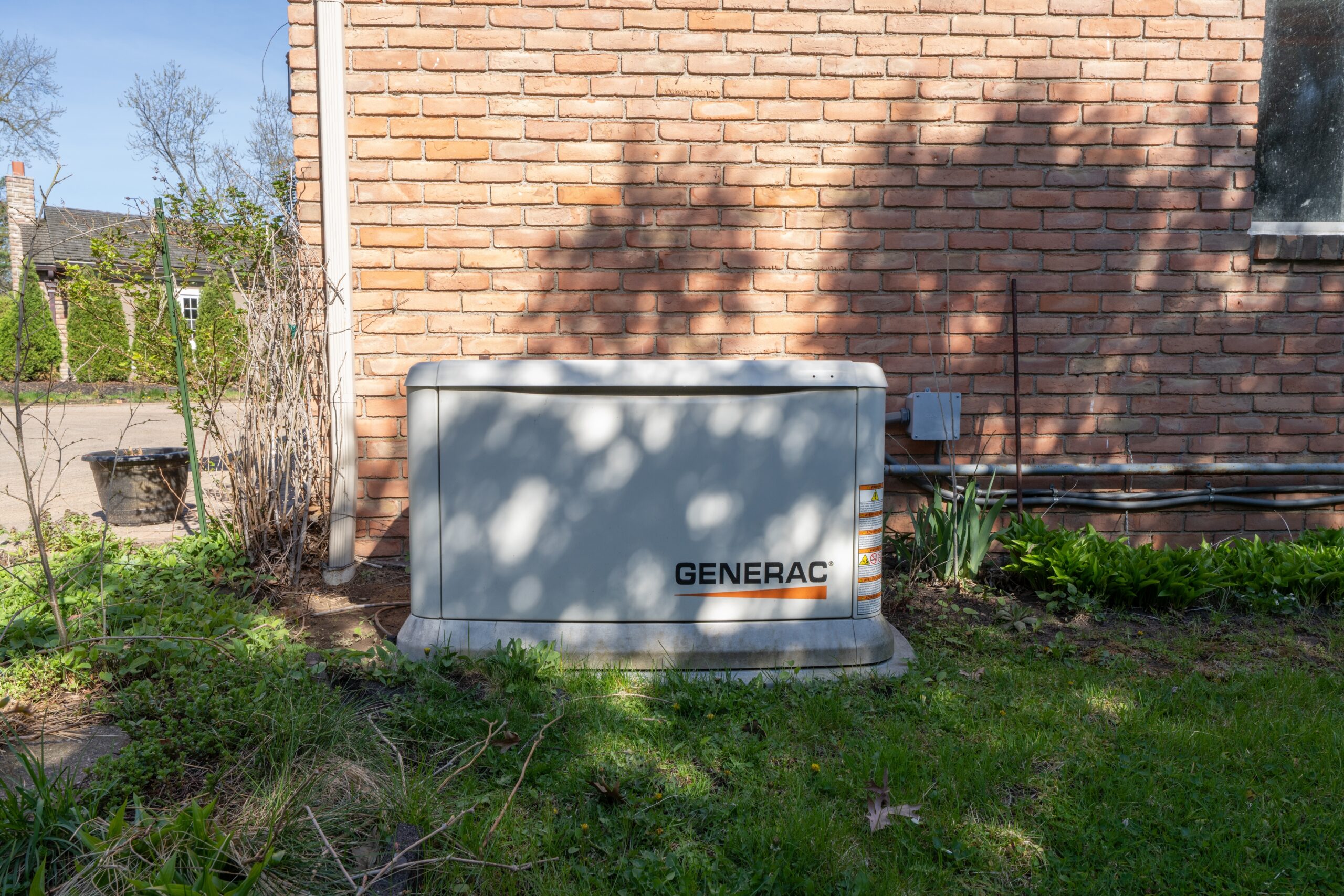
What Generac Generator Error Codes Mean And How to Fix Them
Generac error codes mean your generator may not be available when you need it most. When they appear on your controller screen, usually...